Published 27 January 2026
Effective 5 Products Used in First-Degree Burn Care
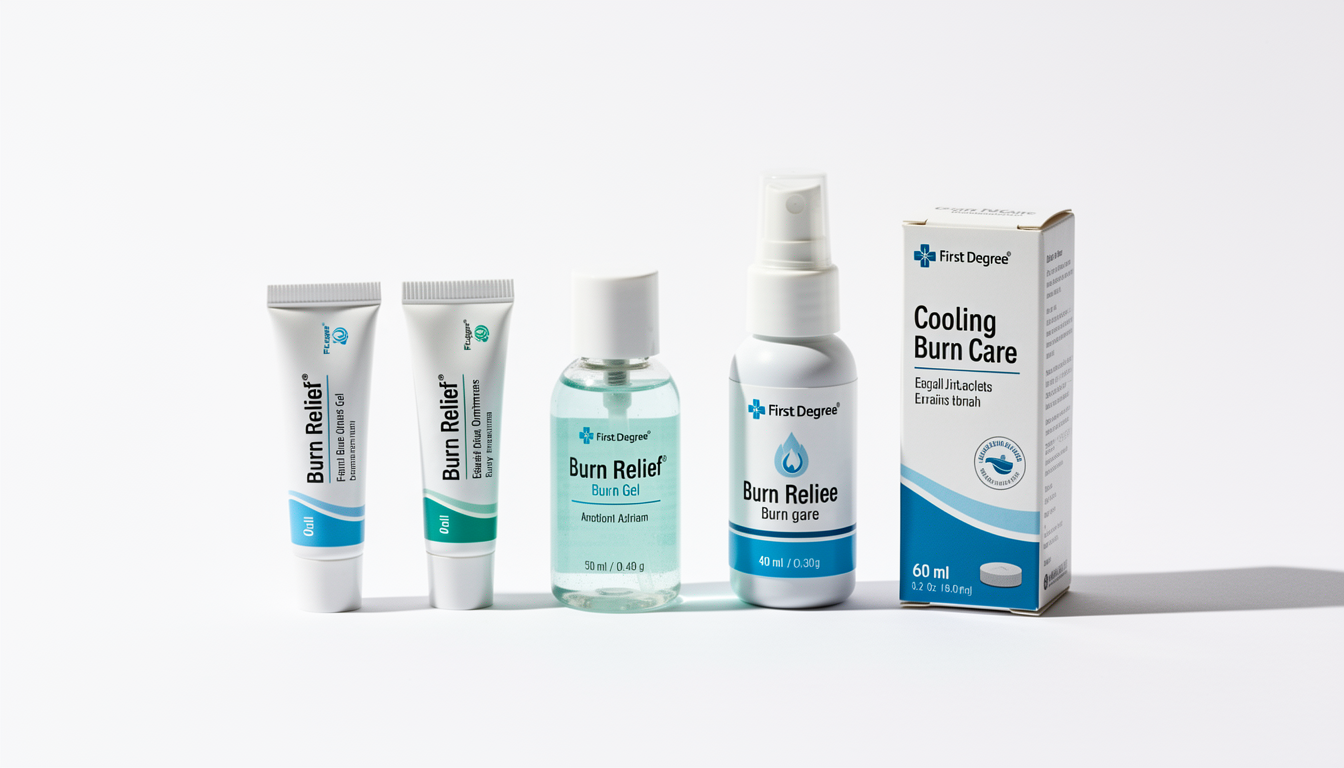
First-degree burns affect only the outer layer of skin but can still cause noticeable pain, redness, and swelling. Treating them correctly helps ease symptoms, speed recovery, and reduce the chance of complications. Below are five trusted products and approaches, supported by research and clinical advice, that can help you care for first-degree burns safely at home.
1. EMUAIDMAX First Aid Ointment
EMUAIDMAX First Aid Ointment is a topical formula made to give quick relief for stubborn skin issues, including minor burns. It combines medical-grade and natural ingredients intended to calm irritation and support healing.
The ointment includes Argentum Metallicum (colloidal silver), Emu Oil, Tea Tree Oil, Phytosphingosine, and Ceramide 3, ingredients that offer anti-infective, anti-inflammatory, and skin-repairing effects. Many users report reduced pain and faster recovery, making it a practical option to keep in a first aid kit for burns and other skin irritations.
2. Petroleum Jelly (e.g., Vaseline, Aquaphor Healing Ointment)
Petroleum jelly products like Vaseline or Aquaphor Healing Ointment are commonly advised by dermatologists for first-degree burns. Applying a thin layer a couple of times a day helps keep the area moist, protects the skin, and prevents scabbing that can slow healing.
Aquaphor Healing Ointment, which is largely petrolatum-based, helps maintain a damp healing environment while shielding the wound from outside irritants and still allowing some oxygen and water vapor exchange. Both options are usually fragrance-free and gentle on sensitive, burned skin.
3. Aloe Vera Gel
Aloe vera gel is widely used for its cooling and hydrating qualities, making it a good choice for first-degree burns and sunburns. It contains antioxidants, vitamins, and anti-inflammatory compounds that can ease redness, swelling, and discomfort.
For best results, choose pure aloe vera gel without added fragrances, alcohol, or other potential irritants. Aloe soothes and hydrates the skin, helping it recover rather than reversing the initial damage.
4. Medical-Grade Honey
Research supports medical-grade honey for burn care because of its antibacterial, anti-inflammatory, and antioxidant properties. These characteristics can encourage faster healing and lower the chance of infection in superficial and partial-thickness burns.
Honey tends to reduce inflammation and pain and is generally well tolerated without causing irritation. Its thickness and ability to draw moisture also help keep the wound environment favorable for healing.
5. Over-the-Counter Pain Relievers
Topical treatments help locally, but controlling pain systemically is important too. Over-the-counter pain relievers such as ibuprofen (e.g., Advil, Motrin) or acetaminophen (e.g., Tylenol) can lessen pain and inflammation associated with first-degree burns.
Follow the dosing instructions on the label and check with a healthcare professional if pain continues or worsens. These oral medications complement topical care by reducing overall discomfort.
Key Takeaways
- Immediately cool the burn under cool (not icy) running water for about 10 minutes.
- Keep first-degree burns moist with petroleum jelly or specialized first aid ointments to support healing and prevent drying.
- Aloe vera gel provides soothing hydration and eases inflammation, especially for sunburns.
- Medical-grade honey can offer natural antibacterial and anti-inflammatory support during healing.
- Oral pain relievers like ibuprofen or acetaminophen are useful for managing discomfort.
FAQ
What is the immediate first aid for a first-degree burn?
Cool the area with cool (not cold or icy) running water for around 10 minutes or use a cool, damp compress until pain decreases. Remove nearby jewelry or tight clothing that could constrict the area as it swells.
Should I apply butter or ice to a first-degree burn?
No. Avoid butter, ice, iced water, or greasy household remedies. Butter can trap heat and increase infection risk, while ice can damage tissue and intensify pain.
When should I seek medical attention for a first-degree burn?
See a healthcare provider if the burn is large, involves sensitive areas (face, hands, feet, genitals), shows signs of infection (worsening pain, spreading redness, swelling, or pus), or fails to start healing within a few days. Infants and older adults should also get medical advice even for minor burns.
Proper care speeds recovery and reduces discomfort for first-degree burns. Use these evidence-based product suggestions and standard first aid steps to manage minor burns at home, and consult a professional for more serious concerns.